Off-Piste Skiing in Europe:
Top Questions from American guests visiting the Alps
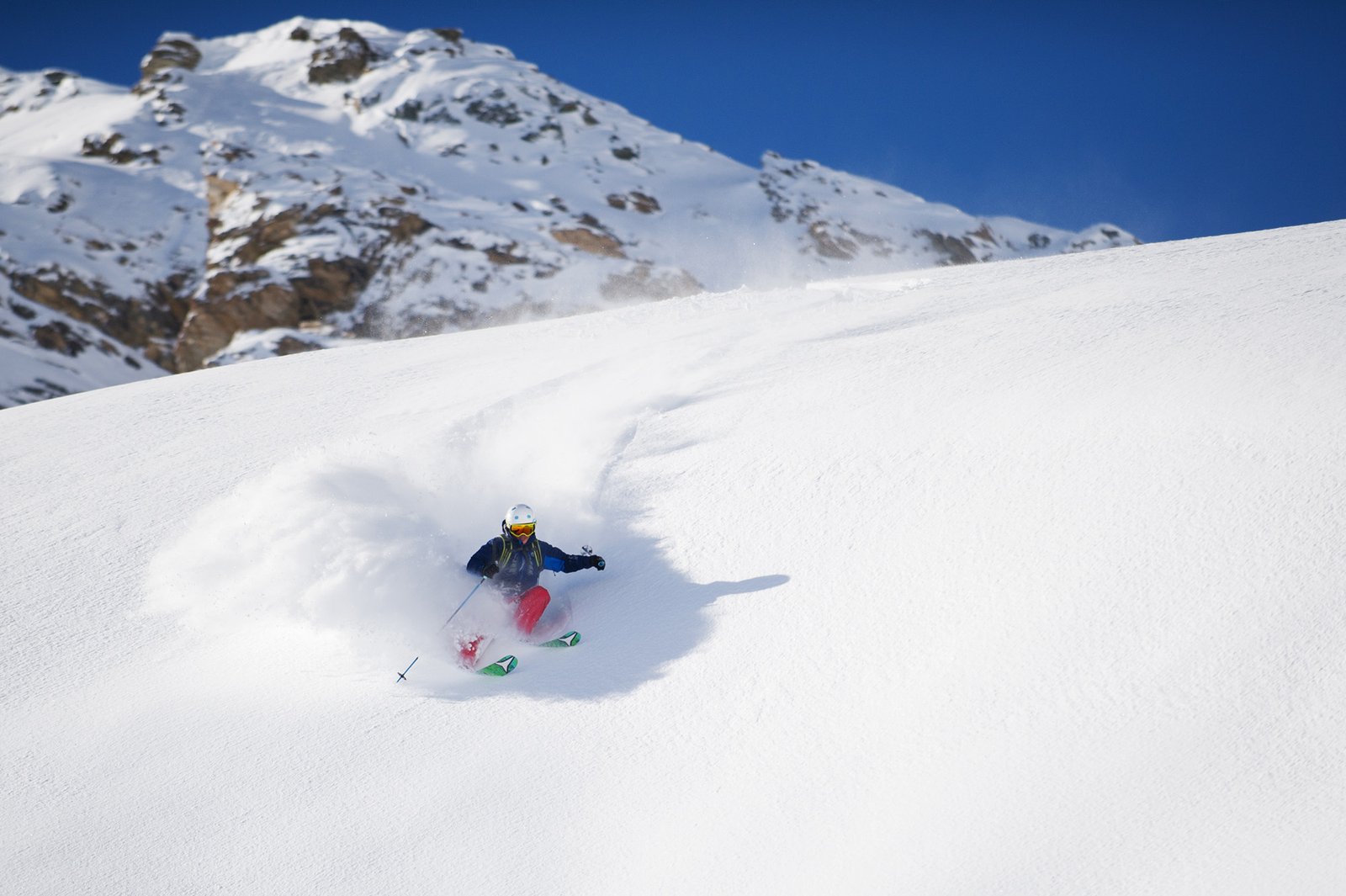
Thinking of heading off piste while skiing in Europe? If you are a keen off piste skier then the terrain available in The Alps is incredible and offers opportunities for some of the most memorable runs.
That being said it comes with different expectations and responsibilities than skiing similar terrain in many US resorts.
1. Is off-piste skiing allowed in Europe?
Yes it is, but with a big caveat. While you’re free to leave the marked trails, it’s entirely at your own risk. Off-piste areas are not patrolled or controlled for avalanches like they often are in the US. There is no such thing as in bounds off piste in Europe you are either on the piste which is controlled for avalanche safety or you are off the piste which is not.
2. What avalanche control exists off-piste?
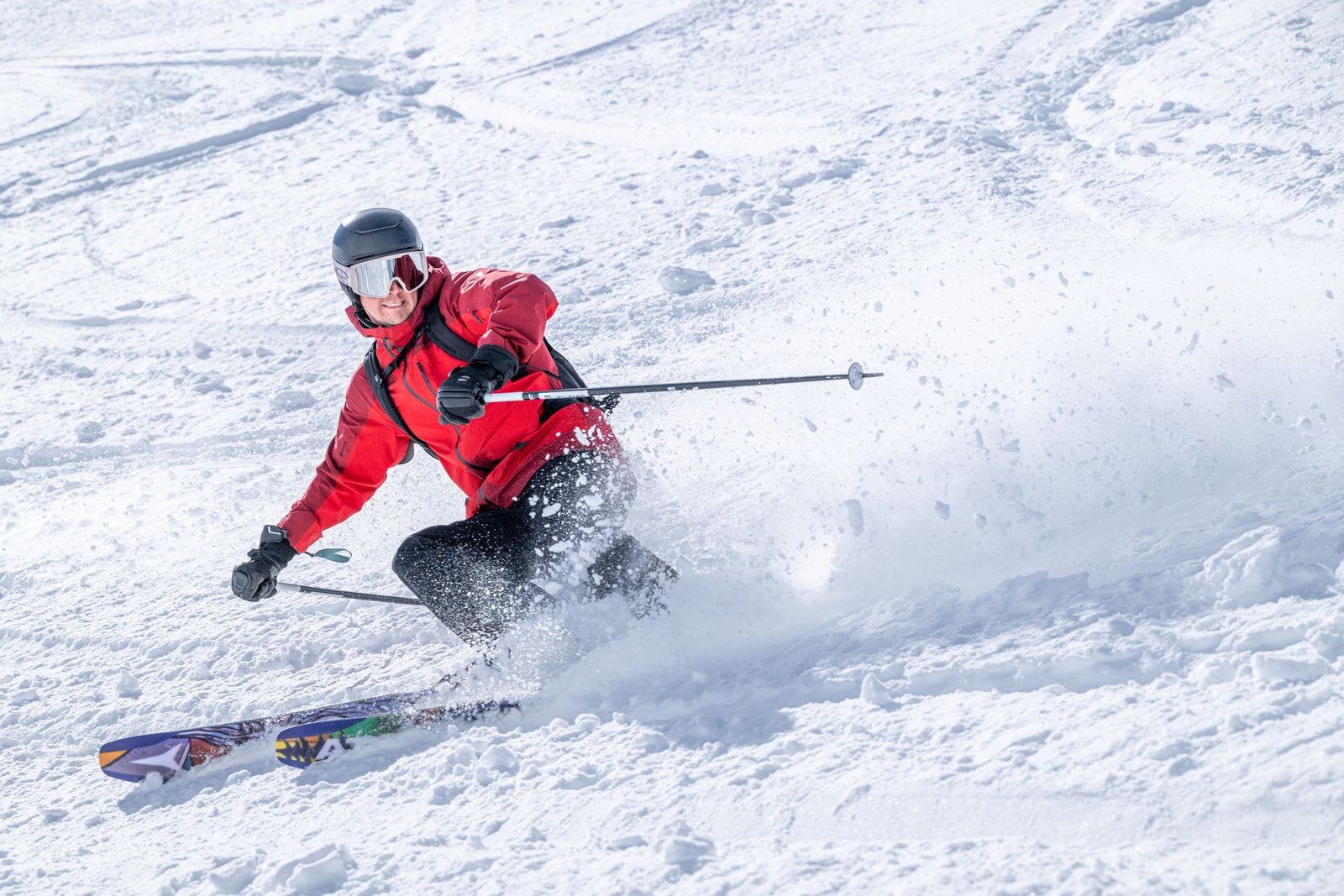
Resorts in Europe only control the marked pistes. This includes the slopes above them, or above lift stations. But they are controlled with keeping the piste/lifts/town safe from avalanche danger. Beyond that, there’s no active avalanche mitigation for skiing. That’s why knowledge, experience, and equipment are essential.
3. Do I need a guide?
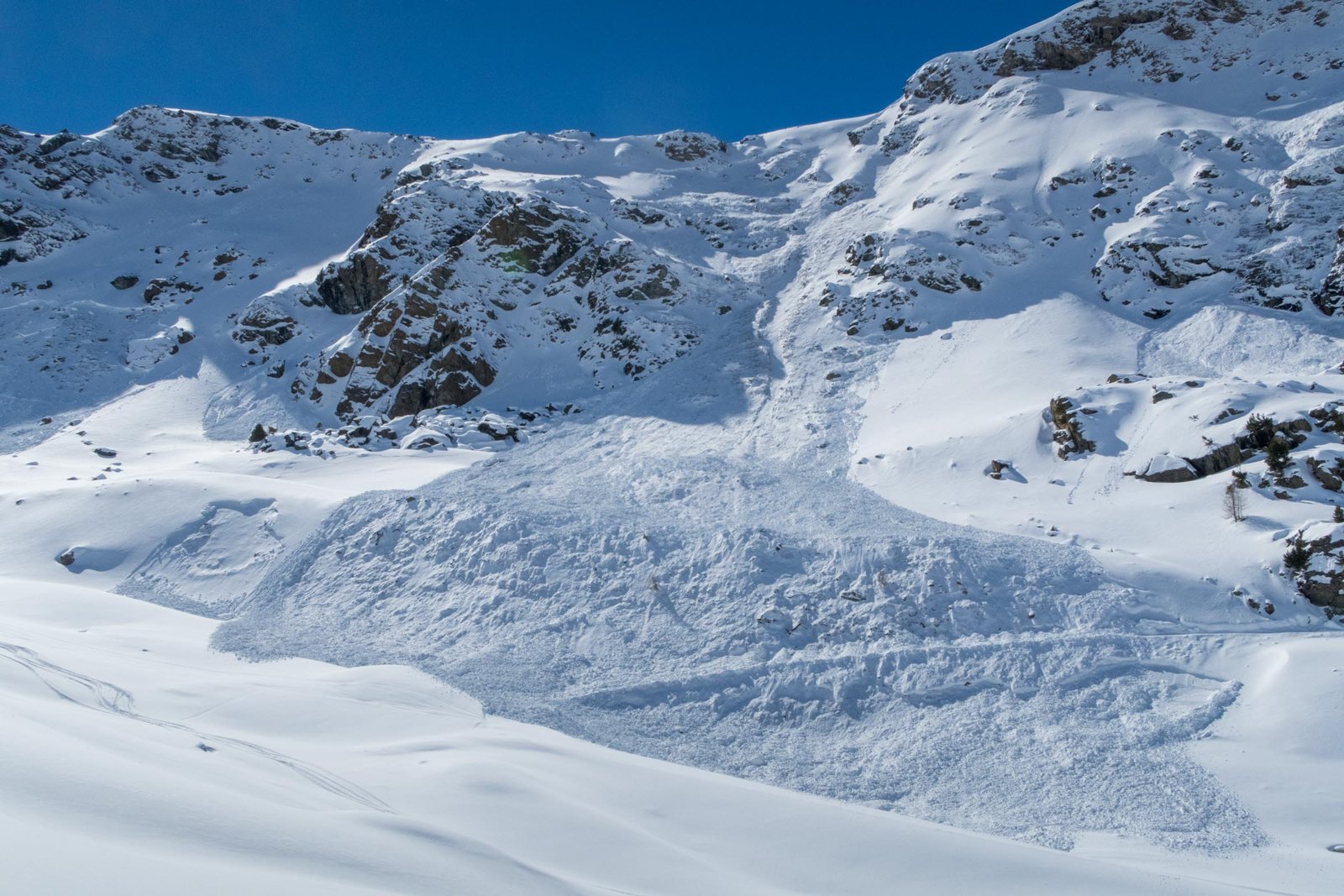
We strongly recommend one. The terrain in the ski area is expansive, there are glaciers, cliffs, steep slopes and all sorts of hazards all unmarked. Guides know the terrain, understand the snowpack, and can choose the best lines for your ability and the conditions, as well as find the best snow!
What is the difference between a guide and an instructor and which one do I need? Link to:
4. What gear do I need?
Skiing off piste in Europe involves decision making about the snowpack, the slope and a knowledge of the conditions. As the resort does not control the off piste skiing we have to make decisions to help make sure we are ready for any incidents that may occur. So in terms of kit at a minimum everyone in the group should carry:
- Avalanche transceiver
- Shovel
- Probe
- Someone in the group should have a first aid kit
Someone in the group should have a first aid kit.
Many skiers also carry an avalanche airbag backpack. If you’re touring, you’ll need climbing skins and a suitable setup. Most of this gear is available for rent.
For more info on the equipment required to ski off piste and resources on how to use it then check out
5. How do I know where it's safe to ski?
There is no answer to this question, it changes through the season, it changes through any given day, it’s based on experience, snowpack knowledge, local avalanche forecasts, and more. Some of the key points to remember are:
- There are no signs, boundaries, or maps for off-piste areas.
- There are no signs for areas with cliffs.
- There are signs to warn you that the rope you are ducking under is on a glacier and there may be crevasses.
- There are signs to warn you that you are skiing in an are protected for wildlife which is illegal.
If you are unsure then the safe option is to stay on the piste or to ski with a guide.
6. What’s ski touring, and is it different from off-piste skiing?
Ski touring is different from off piste skiing and involves using touring equipment to enable you to walk uphill and access more remote areas. This can be shorter tours to access different slopes to longer, even multi night hut to hut tours.
It’s an incredible way to find untouched snow, but requires some new skills, more fitness and time.
7. Can I rent avalanche and touring gear in resort?
Yes you can, most of the ski rental shops will rent you skis that are more suitable for off piste skiing and there are some that will rent you the safety equipment you will need
8. Is off-piste skiing covered by my insurance?
If you want to ski off piste this is definitely important to check as the answer is not always yes. You’ll need to check your policy. Many insurers only cover off-piste skiing if you’re with a certified guide.
9. How does the avalanche danger rating work in Europe?
The avalanche danger describes the likelihood of occurrence and the possible size of avalanches in a specific region of at least 100 km².
The European Avalanche Danger Scale is a five-level, ordinarily ascending, categorical scale.
Ordinary ascending means that the scale has a ordinary ascending ranking.
Categorical means that the scale consists of classes which – even if they are expressed with the numbers 1-5 – may not simply be processed mathematically.
For example, the danger level 3-Considerable is not simply higher by one than danger level 2-Moderate, because the avalanche danger probably increases disproportionately (i.e. not linearly).
In other words, danger level 3-Considerable is not one level higher than 2-Moderate, but probably twice as high. The danger levels must not be added either.
10. What kind of off-piste terrain will I find?
Everything from wide bowls and steep couloirs to tree runs and glacier descents. Conditions and terrain change fast, and Europe’s scale is much bigger – so local guidance is key.
Planning to ski off-piste in Zermatt?
If you are looking to head off piste then it is well worth skiing with someone who knows the area well. If you are looking to explore Zermatt’s incredible glaciated terrain then you will need a guide from The Alpine Centre. If you are learning, or not needing to go on a glacier then some schools have great instructors who can teach you how to ski off piste.